
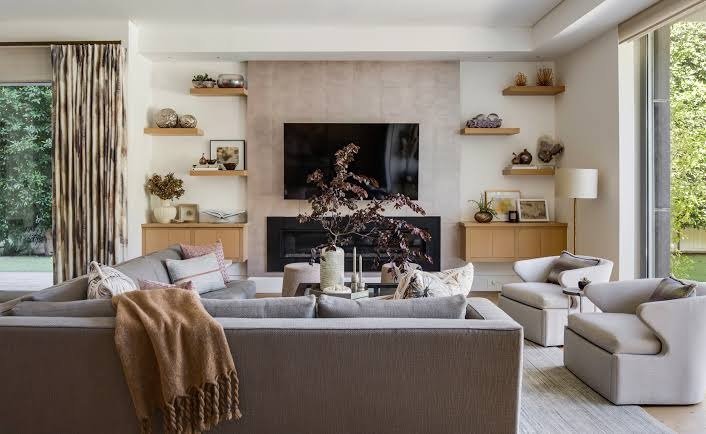
Most people will spend a significant portion of their life inside their home, yet they treat it as a temporary space rather than a long-term investment in their daily happiness. The difference between a house that feels like just a place to sleep and one that genuinely brings you joy every single day often comes down to deliberate choices made during the design and maintenance process. Creating a home you will love for decades requires more than picking out trendy furniture or fresh paint colors. It involves understanding the fundamental principles that make spaces both functional and emotionally satisfying over the long haul.
1. Prioritize Quality Over Trends
Investing in durable, well-made pieces is one of the most overlooked secrets to long-term home satisfaction. Trendy items may look appealing in a showroom, but they often look dated or fall apart within a few years. When you select classic furniture styles, neutral color palettes, and high-quality materials, you create a foundation that withstands both time and changing tastes. For example, a solid wood dining table with a simple design will serve your family well for decades, while a particleboard piece held together with metal brackets may need replacement within five years.
Quality construction matters in every room of your home. Cabinets, flooring, windows, and built-in storage should be chosen with longevity in mind rather than initial cost savings. This does not necessarily mean spending the most money, but rather selecting items made by reputable manufacturers with good track records. Your home should feel like an investment you are building thoughtfully, not a space you are trying to furnish as cheaply as possible.
2. Design for Your Actual Lifestyle, Not an Imagined One
A beautiful home that does not fit how you actually live creates constant frustration and disappointment. Many people design their spaces based on magazine photographs or their aspirations rather than their genuine daily routines and habits. If you have young children who create chaos, an all-white living room with delicate furnishings will only bring stress. If you work from home, a dedicated quiet space with proper lighting and organization is essential rather than optional.
Think honestly about how your household functions. Do you entertain frequently, or do you prefer intimate gatherings? Are you someone who likes to cook elaborate meals, or do you grab quick bites? Do you have pets that shed or play rough? Your home should accommodate your real life, not an imagined version of yourself. When your physical space supports your actual daily activities, you naturally feel more at home in it. This alignment between design and lifestyle is what prevents that nagging sense of dissatisfaction that emerges when reality does not match expectations.
3. Create Spaces with Good Bones and Flexible Function
Homes that age well have solid architectural foundations and rooms that can adapt to changing needs. When you can reconfigure spaces without major renovations, your home remains relevant as your life circumstances shift. An open floor plan offers flexibility that rigid room divisions cannot. Built-in storage, good natural lighting, and well-proportioned rooms give you a strong starting point for any design direction. Homeowners working with custom home builders in Spokane during the planning stage can ensure these flexible, well-proportioned foundations are built in from the very beginning, rather than retrofitted later at greater expense.
Pay attention to the practical infrastructure of your home as well. Quality plumbing, electrical systems, and HVAC equipment may not be visible, but they determine whether your home remains functional and comfortable for years to come. A poorly insulated home with drafty windows will become increasingly frustrating regardless of how beautifully you decorate it. Addressing foundational issues now prevents major headaches later and protects your investment.
4. Maintain Regularly and Address Problems Early
A home you love requires ongoing attention and care, not just a one-time design effort. Regular maintenance prevents small problems from becoming expensive disasters. Inspecting your roof, cleaning gutters, servicing your HVAC system, and checking for leaks become routine responsibilities rather than crisis management situations. When you stay on top of these tasks, your home functions smoothly and you experience fewer frustrations. Roof replacement completed by qualified professionals before structural damage sets in helps homeowners avoid far costlier repairs and preserves the integrity of everything beneath it.
Creating a simple maintenance schedule helps you stay organized and prevents important tasks from slipping your mind. Seasonal inspections, annual professional servicing of major systems, and prompt repairs to visible damage all contribute to a home that serves you well. People often delay maintenance because it seems unnecessary until something breaks down completely. The homes people love for decades are usually the ones where owners addressed worn weatherstripping, repaired caulk, and fixed minor issues before they snowballed into larger problems.
Conclusion
Creating a home you will genuinely love for decades combines thoughtful initial decisions with consistent long-term care. By prioritizing quality and durability, designing around your actual lifestyle, building on solid foundations, and maintaining your space faithfully, you transform your house into something much more valuable than just a building where you sleep. The homes that truly stand the test of time are not always the most expensive or fashionable, but rather the ones where owners made deliberate choices aligned with their needs and committed to keeping them in good condition. Your home should be a place that improves your daily life and continues to bring satisfaction for years to come.
 Admin