
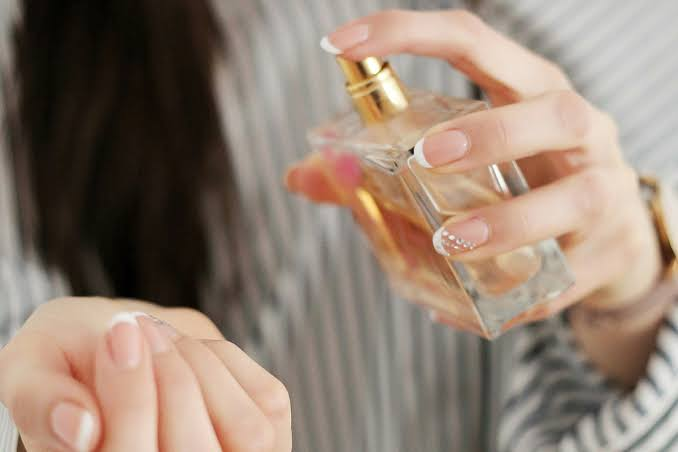
Think of someone you love and you can probably recall their scent. A grandmother’s hand cream, a friend’s coat on a cold evening, a partner’s pillow. Fragrance is stored in memory in a way that sights and sounds rarely are, which is why a single whiff on a crowded train can transport you across years in an instant.
That same power is what makes choosing a scent for yourself so appealing, and so daunting. You are not just picking something that smells nice. You are choosing something that will become part of how people remember you. This guide explores what a signature scent really is, whether you need one, and how to find a fragrance that fits your life without spending a fortune on trial and error.
What Is a Signature Scent, Really?
A signature scent is a fragrance you wear often enough that it becomes associated with you. It does not have to be unusual or expensive. It simply needs to feel like an extension of your personality, and it should be something you reach for without overthinking.
Some people wear exactly one fragrance for decades. Others keep a favourite as an anchor and rotate a few extras for different moods. Both approaches count. What matters is that the scent feels intentional and that you enjoy wearing it, not that it follows a rule.
Do You Actually Need One?
Not everyone does, and that is perfectly fine. If you love variety, a small wardrobe of fragrances may suit you better than a single bottle. But there are real advantages to having a signature:
- It simplifies your mornings. There is one less decision to make.
- It builds recognition. People begin to link the scent with you, which can be quietly flattering.
- It saves money over time. A clearer sense of what you like means fewer impulse buys that end up unused.
- It deepens your connection to the scent. Wearing something regularly makes it feel personal, and it can mark chapters of your life.
The best test is simple. Ask yourself whether you would be happy to smell like this for the next few years. If the answer is yes, you may have found it.
Start With What You Already Love
Before you step into a shop, spend a little time on research that costs nothing. Your existing preferences are the best map you have.
Think about the smells that make you feel good in everyday life. Is it freshly cut grass, a wood fire, orange peel, clean laundry, vanilla in a bakery, or roses in a summer garden? Do you gravitate towards scented candles with warm, spicy notes, or towards crisp, airy ones? Do you prefer the smell of rain on pavement or of old books?
Write down a short list. Patterns will emerge, and those patterns point towards fragrance families such as fresh, floral, woody, amber, or gourmand. Walking into a fragrance counter with a clear idea of what you like makes the whole experience far less overwhelming.
Learn the Language of Fragrance
You do not need to become an expert, but a little vocabulary goes a long way.
Top notes are what you smell first and tend to be light, such as citrus or herbs. They fade within minutes.
Heart notes form the character of the scent once the top settles. Florals, spices, and fruits often live here.
Base notes linger the longest. Woods, musks, amber, and vanilla give depth and staying power.
When someone describes a fragrance as “opening bright and drying down warm,” they are describing this journey. The point is to judge a perfume across its full life on your skin, not only in the first moments.
Think Like a Brit: Climate and Lifestyle
Our weather shapes what feels right more than we realise. A fragrance that sings on a hot holiday may feel heavy on a damp November commute, and a cosy amber that is perfect for winter can feel stuffy in a warm office in July.
Spring and summer. Fresh citrus, light florals, green notes, and airy musks feel bright and breathable.
Autumn and winter. Spices, woods, amber, vanilla, and richer florals add warmth and depth when the days are short.
Year-round versatility. Some scents, particularly soft woods, clean musks, and balanced florals, travel comfortably across seasons. If you want one fragrance to do most of the work, look here.
Your daily routine matters too. If you spend your days in a shared office, a quieter, closer-to-skin scent is considerate. If most of your time is outdoors or in social settings, you may enjoy something with more presence.
Finding the Fragrance That Feels Like You
When you are ready to explore, it helps to look beyond the best-known names on the high street. A dedicated fragrance specialist can introduce you to a wider range of styles and help you discover a signature scent that feels distinctive rather than familiar from every other wrist on the Tube. The goal is not to find the most popular bottle. It is to find the one that suits your skin, your taste, and your life.
Whichever route you choose, give yourself permission to take your time. The perfect scent rarely announces itself in the first thirty seconds.
How to Test Without Wasting Money
Smart testing is the difference between a bottle you adore and one that sits in a drawer.
Limit yourself to three or four scents per visit. Your nose tires quickly, and everything begins to blur together.
Test on skin. Paper strips are handy for a first impression, but perfume reacts to your skin chemistry. Spray the inside of your wrist or forearm and see how it behaves.
Do not rub your wrists together. It can dull the top notes and change how the scent unfolds.
Walk away and come back. Give it at least a few hours. The base notes, which you will live with most, only appear later.
Wear a sample for a full day. Many retailers offer small vials or discovery sets. A whole day of ordinary life, including a commute, a lunch, and an evening, tells you far more than a quick spritz in a shop.
Ask people you trust. Close friends and family often notice things you cannot, since your own nose adapts to a scent within minutes.
Understanding Strength and Staying Power
The wording on the bottle gives clues about strength and longevity.
- Eau de cologne is the lightest and tends to fade within a couple of hours
- Eau de toilette is fresh and lighter, usually lasting several hours
- Eau de parfum is richer and longer lasting, and a common choice for a signature
- Parfum or extrait is the most concentrated, applied sparingly, and offers the greatest depth
Longevity also depends on the fragrance family and on your skin. Woody, musky, and amber bases usually last longer than fresh citrus openings, and well-moisturised skin tends to hold scent better than dry skin.
Wearing It Well
Even a lovely fragrance can disappoint if it is overdone.
- Apply to clean, moisturised skin
- Target pulse points such as the wrists, neck, and the crook of the elbow
- Start with one or two sprays and add more only if needed
- Remember that you stop noticing your own scent long before others do, so resist the urge to keep topping up
- Take a lighter touch in lifts, on public transport, and in small offices
- Spray a little on a scarf or jumper if you want it to linger, after checking it will not mark the fabric
Keeping Your Fragrance at Its Best
Perfume is more delicate than it looks. Heat, light, and air gradually change it. Store bottles somewhere cool and dark, such as a drawer or wardrobe, rather than a sunny windowsill or a steamy bathroom. Keep the cap on, and keep the original box if you have space. Stored properly, many fragrances stay beautiful for years.
Letting Your Signature Evolve
A signature scent is not a life sentence. Tastes change, and so do circumstances. A fragrance that suits you in your twenties may feel different in your forties. Some people keep one for years and then move on, while others like to have an anchor scent plus one or two seasonal companions.
If you notice that you are reaching for a different bottle more often, that is useful information. It may be time to refresh your choice, or to add a new favourite alongside the old one.
Gifting a Scent
Buying fragrance for someone else is risky, but not impossible. Pay attention to scents they already wear, and look for something in a similar family. Sets that include small sizes let them try before committing to a full bottle, and including a gift receipt or a note about exchanges removes any pressure. When in doubt, ask a close friend or relative for a quiet hint.
Common Mistakes to Avoid
- Buying after one sniff. Always test over several hours.
- Choosing by hype or packaging. A beautiful bottle does not guarantee a beautiful scent on your skin.
- Ignoring the season. A scent that clashes with the weather will rarely feel right.
- Over-applying. More is not better, and heavy application can be unpleasant for others.
- Forgetting storage. A good perfume left on a sunny shelf can turn flat.
- Assuming price equals quality. Spend according to your budget, and trust your own nose.
The Bottom Line
A signature scent is not about status or fashion. It is about finding something that feels like you and that you are happy to wear on good days and ordinary ones alike. Start with the smells you already love, learn a little about notes and families, test thoughtfully, and give yourself time to decide.
When you find the right one, you will know. It will feel comfortable, a little bit special, and quietly yours. And years from now, someone may catch a trace of it in a crowded room and think of you.
 Admin