
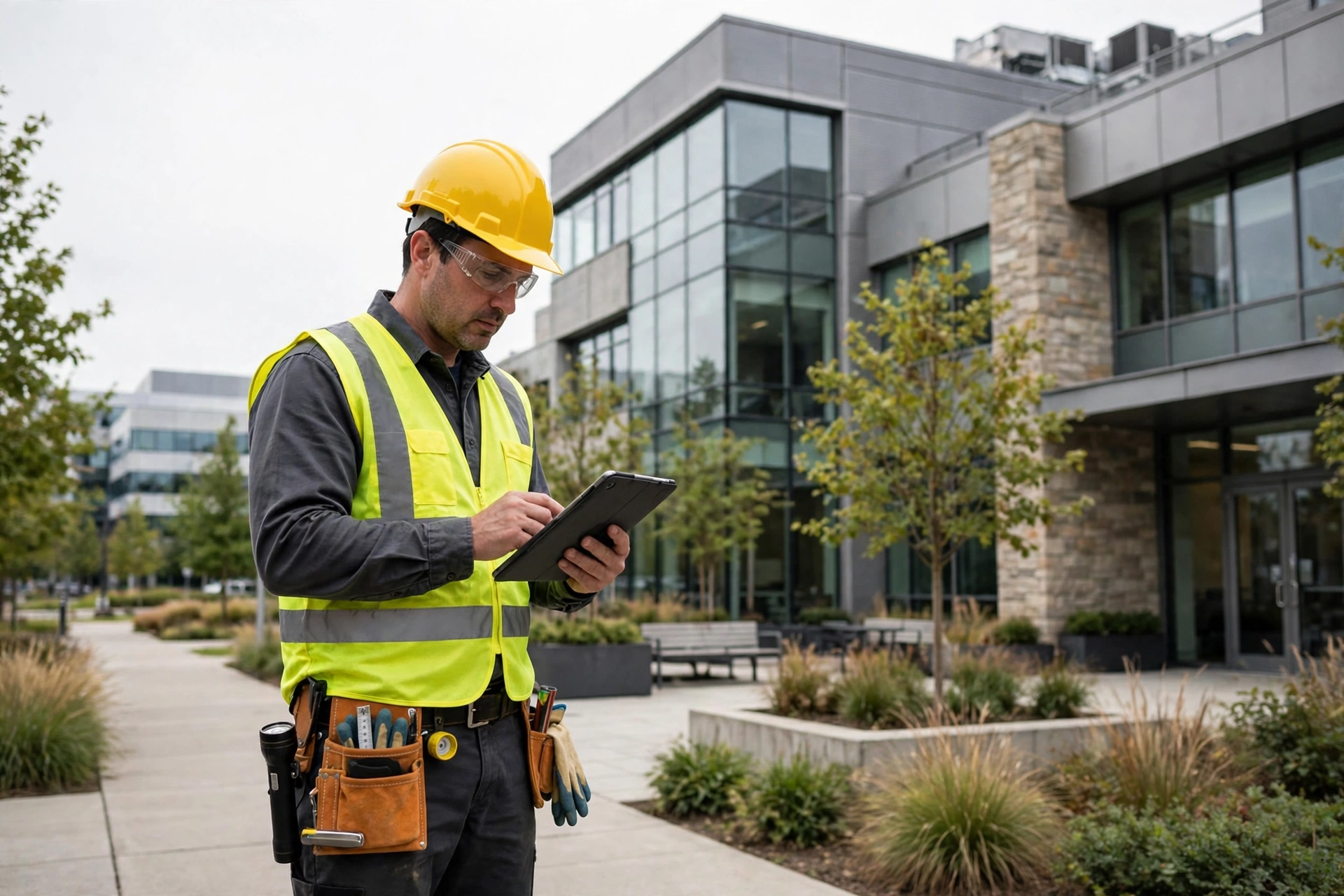
Owning a commercial property can be a rewarding investment, but maintaining it requires careful planning and regular attention. Unexpected repairs can quickly affect cash flow, disrupt business operations, and create financial pressure for property owners. From plumbing problems to aging electrical systems, even minor issues can become expensive when ignored. Understanding how to manage maintenance effectively is one of the best ways to protect your investment and keep long-term expenses under control.
Schedule Regular Property Assessments
One of the most effective ways to prevent expensive repairs is to identify problems before they become serious. A well-planned Commercial property inspection can help property owners understand the condition of important building components and recognize areas that may need attention. Regular assessments also make it easier to plan maintenance rather than responding only when something breaks.
- Pay particular attention to the following areas:
- Roofing: Check for damaged materials, drainage issues, and signs of water intrusion.
- Plumbing: Look for leaks, unusual water pressure, and drainage problems.
- Electrical systems: Review wiring, lighting, outlets, and electrical equipment.
- HVAC systems: Monitor heating, ventilation, and air conditioning performance.
- Structural components: Watch for visible cracks, deterioration, or changes in floors and walls.
The frequency of assessments will depend on the building's age, size, use, and condition. Keeping a consistent schedule can help prevent small maintenance concerns from turning into major repair projects.
Create a Preventive Maintenance Plan
Waiting until equipment fails is often more expensive than maintaining it regularly. Preventive maintenance involves checking, cleaning, servicing, and repairing building components according to a planned schedule.
Start by creating a maintenance calendar that includes routine tasks and their expected completion dates. For example, HVAC filters may need regular replacement, while roofs and drainage systems should be checked periodically, especially before seasons with heavy rainfall.
- A practical maintenance plan should include:
- Monthly checks of common areas and visible building components.
- Regular servicing of heating and cooling equipment.
- Scheduled plumbing and electrical assessments.
- Periodic roof and exterior inspections.
- Cleaning of gutters, drains, and ventilation systems.
- Documentation of completed maintenance work.
- Assigning responsibilities to property managers or maintenance staff also helps ensure that important tasks are not overlooked.
Keep an Eye on Pest and Termite Activity
Pest problems can create unexpected expenses, particularly when they affect wooden structures, storage areas, or other vulnerable parts of a commercial building. Termites may cause damage gradually, making early detection especially important.
Property owners should monitor areas where moisture accumulates, inspect wooden components for signs of deterioration, and address conditions that may attract pests. If there are signs of an infestation, contacting a qualified pest-control professional can help determine the appropriate response.
When planning maintenance budgets, researching the average cost of termite inspection can help property owners estimate potential assessment expenses. Actual charges may vary depending on the property's size, location, accessibility, and inspection requirements. It is sensible to compare service details and professional qualifications rather than selecting a provider based on price alone.
Address Minor Repairs Without Delay
Small problems rarely improve when left unattended. A minor roof leak, loose fitting, damaged seal, or slow drain may seem manageable initially, but continued neglect can lead to additional damage.
For example, a small plumbing leak can affect nearby walls, flooring, and fixtures if it continues unnoticed. Similarly, a damaged roof section may allow moisture to enter the building and create further maintenance concerns.
Property owners should establish a simple process for reporting maintenance issues. Employees, tenants, and building managers should know whom to contact when they notice a problem.
- A useful reporting system should record:
- The location and description of the issue.
- The date it was reported.
- Any immediate action taken.
- The professional or contractor assigned.
- The repair date and final cost.
- These records help property owners identify recurring problems and decide whether a larger repair or replacement is necessary.
Work With Reliable Maintenance Professionals
Choosing experienced contractors can make a significant difference in the quality and long-term value of repairs. Inexperienced or unqualified service providers may offer inexpensive solutions that fail to address the underlying problem.
Before hiring a contractor, review their relevant experience, qualifications, references, insurance, and written estimates. Ask what materials will be used and whether the proposed work includes any warranties.
It is also helpful to build relationships with dependable professionals who understand the property's systems. Having trusted contacts for plumbing, electrical work, roofing, and HVAC maintenance can make it easier to arrange timely service when problems arise.
For larger projects, obtain more than one estimate and compare the proposed scope of work. The cheapest option is not always the most cost-effective choice over time.
Maintain an Emergency Repair Budget
Even with regular maintenance, unexpected problems can still occur. Equipment may fail, severe weather may cause damage, or an aging building component may require replacement earlier than expected.
An emergency repair fund provides financial flexibility when these situations arise. Instead of relying entirely on immediate cash flow or borrowing, property owners can use reserved funds to address urgent maintenance needs.
Review previous repair expenses to understand which areas have required the most attention. This information can help create a realistic reserve based on the property's condition, age, and operational requirements.
It is also worth reviewing insurance coverage to understand which types of property damage may be covered and which expenses remain the owner's responsibility.
Track Maintenance Costs and Building Performance
Keeping accurate financial and maintenance records helps property owners make better decisions. Reviewing repair history can reveal patterns, such as recurring plumbing issues or equipment that frequently needs servicing.
If a system requires repeated repairs, replacing it may eventually be more economical than continuing to pay for temporary fixes. Compare the expected replacement cost with future maintenance expenses before making a decision.
Useful records include contractor invoices, inspection reports, equipment warranties, service dates, and maintenance schedules. Organizing these documents makes future planning easier and provides a clearer picture of the property's overall condition.
Conclusion
Reducing commercial property repair expenses requires consistent maintenance, early problem detection, and thoughtful budgeting. By addressing minor concerns promptly, working with qualified professionals, and tracking recurring costs, owners can protect their investments. A proactive approach supports reliable building operations, reduces financial surprises, and helps commercial properties remain functional and valuable over time.
 Sky Bloom IT
 Qamer Javed